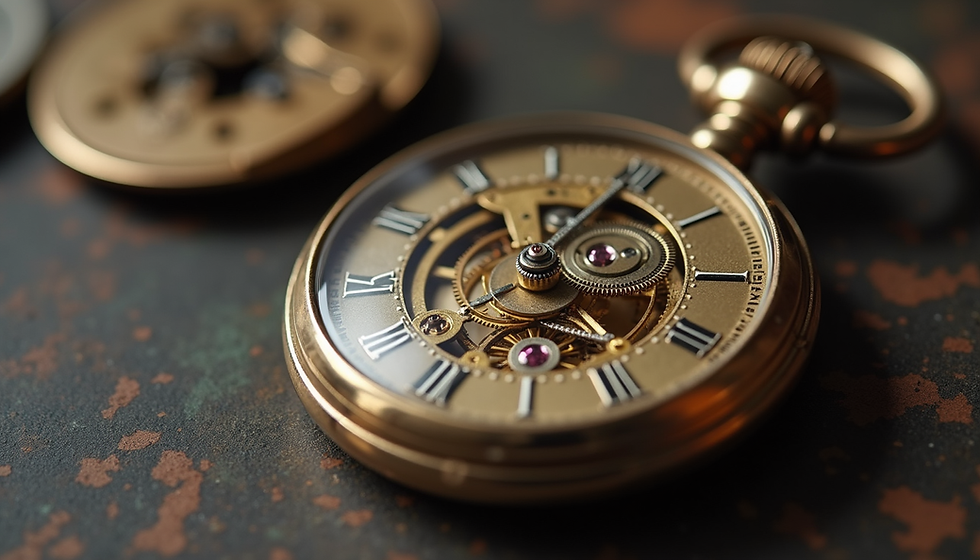
Expert Tips for Vintage Watch Repairs

Vintage watches are more than just timepieces - they are pieces of history, craftsmanship, and style. However, maintaining and repairing these delicate items requires special care and knowledge. Whether you own a cherished heirloom or a classic collectible, understanding how to properly fix vintage watches can preserve their beauty and functionality for years to come.
Essential Considerations When Fixing Vintage Watches
When dealing with vintage watches, the first step is to appreciate their unique construction and materials. Unlike modern watches, vintage models often use parts that are no longer in production. This means repairs can be challenging and require a thoughtful approach.
Key points to consider:
Identify the watch model and era: Knowing the exact make and year helps in sourcing the right parts and understanding the watch’s mechanism.
Assess the condition carefully: Look for signs of wear, rust, or damage to the dial, hands, case, and movement.
Avoid DIY fixes without expertise: Vintage watches are delicate. Incorrect handling can cause irreversible damage.
Use proper tools: Precision screwdrivers, tweezers, and magnification tools are essential for safe repairs.
Seek professional advice when needed: Sometimes, consulting a specialist is the best way to ensure quality restoration.
By keeping these considerations in mind, you can approach fixing vintage watches with confidence and care.

Close-up view of vintage watch movement with intricate gears
Tips for Fixing Vintage Watches Successfully
Fixing vintage watches requires patience and attention to detail. Here are some expert tips to help you get started:
Clean the watch gently: Use a soft brush and mild cleaning solution to remove dust and grime. Avoid harsh chemicals that can damage the dial or case.
Lubricate moving parts: Proper lubrication reduces friction and wear. Use watch-specific oils sparingly on pivots and gears.
Replace worn parts carefully: If parts like the mainspring or balance wheel are damaged, source authentic replacements or compatible vintage parts.
Check the crystal and case: Scratches on the crystal can often be polished out. For deeper damage, consider professional replacement.
Test the watch thoroughly: After repairs, monitor the watch’s accuracy and power reserve to ensure it runs smoothly.
These practical steps can help maintain the watch’s integrity and extend its lifespan.

Eye-level view of watchmaker’s bench with tools and vintage watch parts
How to Repair Vintage Watches?
Repairing vintage watches involves a series of precise steps that require both skill and the right equipment. Here’s a basic guide to the repair process:
Step 1: Disassembly
Carefully open the case back and remove the movement. Document each step or take photos to aid reassembly.
Step 2: Inspection
Examine all components for damage or wear. Pay special attention to the balance wheel, escapement, and mainspring.
Step 3: Cleaning
Use an ultrasonic cleaner or manual cleaning with appropriate solutions to remove old oil and dirt.
Step 4: Part Replacement
Replace any broken or worn parts with authentic or compatible vintage components.
Step 5: Lubrication
Apply watch oil to the necessary points to ensure smooth operation.
Step 6: Reassembly and Testing
Put the watch back together carefully. Test its timekeeping accuracy and make adjustments as needed.
Remember, some repairs may require advanced skills such as dial restoration or hand refinishing, which are best left to professionals.

High angle view of vintage watch dial with hands removed for restoration
When to Seek Professional Vintage Watch Repairs
While some minor maintenance can be done at home, many vintage watch repairs require expert attention. If you notice any of the following, it’s time to consult a professional:
The watch stops running or runs erratically despite basic maintenance.
The movement is heavily corroded or damaged.
You need to replace rare or hard-to-find parts.
The watch has sentimental or high monetary value.
You want to preserve the watch’s originality and avoid damage.
Professional watchmakers have the tools, experience, and access to parts needed to perform high-quality vintage watch repairs. They can also provide authentication and certification if required.
For reliable and expert vintage watch repairs, consider trusted services like Time Pocket Watches, who specialise in restoring classic timepieces with care and precision.
Maintaining Your Vintage Watch After Repairs
Once your vintage watch is repaired, proper maintenance is key to keeping it in excellent condition:
Wind the watch regularly if it is mechanical, but avoid over-winding.
Store the watch in a dry, cool place away from direct sunlight.
Avoid exposure to magnets which can affect the movement.
Have the watch serviced every 3-5 years by a professional.
Wear the watch carefully to prevent shocks and scratches.
By following these maintenance tips, you can enjoy your vintage watch for many more years.
Fixing vintage watches is a rewarding endeavour that combines history, craftsmanship, and technical skill. Whether you choose to do minor repairs yourself or entrust your timepiece to a professional, understanding the process and best practices will help you preserve these timeless treasures.