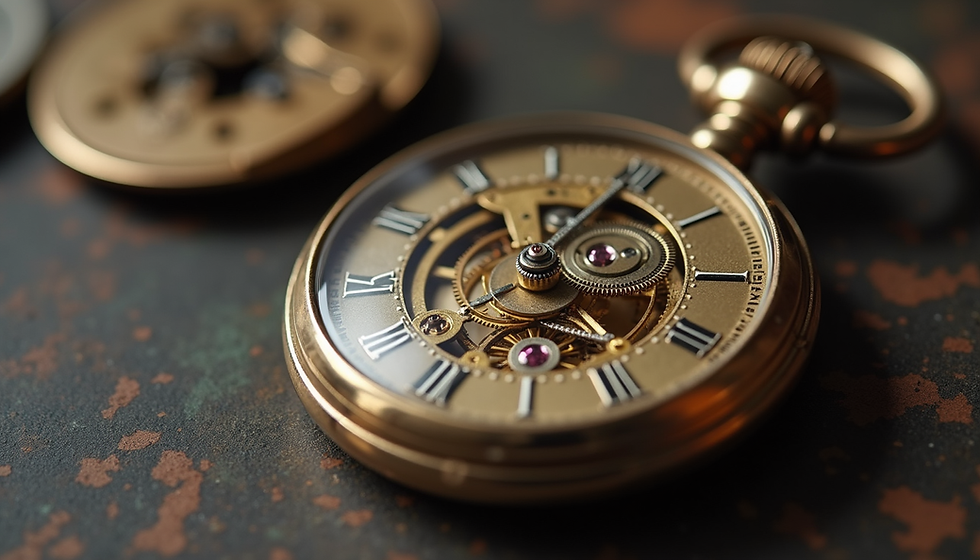
Mastering the Art of Vintage Watch Repairs

Restoring vintage watches is a fascinating craft that combines history, precision, and patience. These timepieces are more than just instruments to tell time; they are pieces of art and heritage. Whether you have inherited a family heirloom or found a classic watch at a market, knowing how to restore it properly can bring it back to life and preserve its value for years to come.
The Essentials of Restoring Vintage Watches
Restoring vintage watches requires a deep understanding of the watch’s mechanics and history. Unlike modern watches, vintage models often have delicate parts that need special care. Here are some essential steps to consider:
Assessment: Begin by carefully examining the watch. Look for signs of wear, rust, or damage. Check the movement, dial, hands, and case condition.
Cleaning: Dirt and grime can accumulate inside the watch over decades. Use specialized cleaning solutions and ultrasonic cleaners to remove debris without damaging the components.
Parts Replacement: Some parts may be worn out or broken. Finding authentic replacement parts is crucial to maintain the watch’s originality.
Lubrication: Proper lubrication of the movement is necessary to ensure smooth operation and prevent wear.
Reassembly and Testing: After cleaning and replacing parts, reassemble the watch and test its accuracy and functionality.
Restoring vintage watches is a meticulous process that demands patience and skill. It is often best left to professionals who specialize in this field.

Techniques and Tools for Restoring Vintage Watches
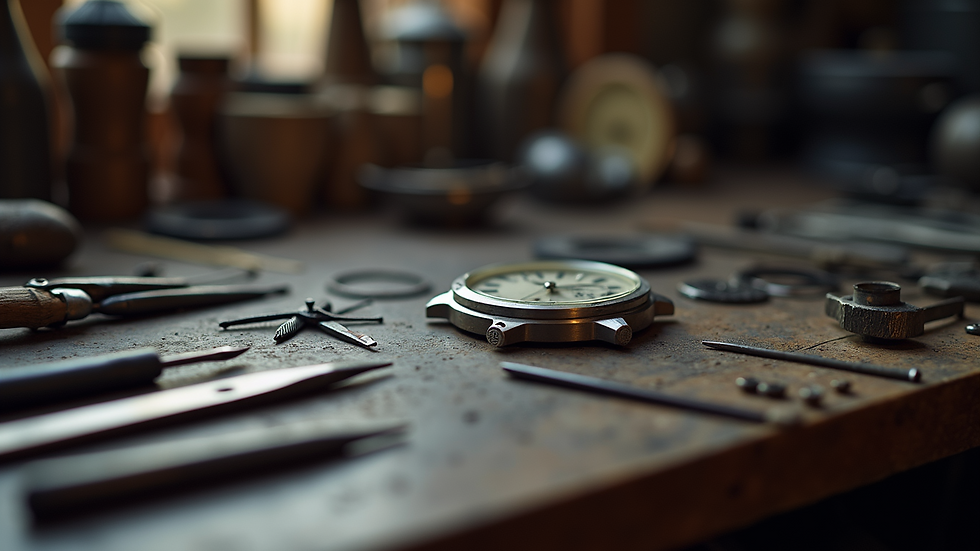
To master the art of restoring vintage watches, you need the right tools and techniques. Here are some of the most important:
Watchmaker’s Screwdrivers: Precision screwdrivers are essential for handling tiny screws without damaging them.
Tweezers: Fine tweezers help in handling small parts delicately.
Loupe or Magnifying Glass: Magnification is necessary to inspect and work on intricate components.
Ultrasonic Cleaner: This tool uses sound waves to clean watch parts thoroughly.
Timing Machine: Used to check the accuracy of the watch after restoration.
Techniques such as careful disassembly, gentle cleaning, and precise lubrication are key to successful restoration. Always document the process to keep track of parts and steps.
Tips for Maintaining Restored Vintage Watches
Once your vintage watch has been restored, maintaining it properly is essential to keep it running smoothly:
Regular Servicing: Have the watch serviced every 3-5 years by a professional.
Avoid Water Exposure: Many vintage watches are not water-resistant, so keep them dry.
Proper Storage: Store the watch in a cool, dry place away from direct sunlight.
Gentle Use: Avoid shocks and impacts that can damage delicate parts.
Winding and Setting: Wind the watch gently and avoid setting the time backward.
By following these tips, you can enjoy your restored vintage watch for many years.
Where to Find Professional Vintage Watch Repairs
If you are not confident in restoring your watch yourself, seeking professional help is the best option. Many specialists offer expert vintage watch repairs with a focus on preserving originality and quality.
Look for services that provide:
Detailed assessments and transparent pricing
Use of authentic parts
Skilled craftsmanship with experience in vintage models
Guarantees on repairs and servicing
Professional restoration not only revives your watch but also protects its value and heritage.
Restoring vintage watches is a rewarding journey that connects us with the past. Whether you are repairing a classic Seiko or another cherished timepiece, understanding the process and care involved ensures your watch will continue to tell its story for generations.