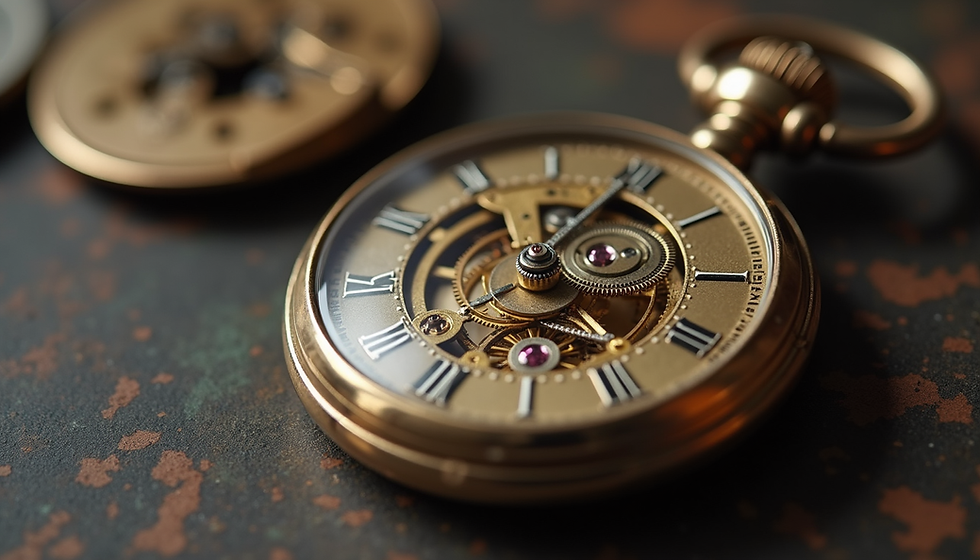
The Right Way to Wind Your Pocket Watch

Pocket watches are timeless treasures that combine craftsmanship and history. To keep these elegant timepieces running smoothly, proper care is essential. One of the most important maintenance tasks is winding pocket watches correctly. This guide will walk you through the right way to wind your pocket watch, explain why it matters, and offer practical tips to ensure your watch stays accurate and in excellent condition.
Understanding the Basics of Winding Pocket Watches
Winding pocket watches is a simple yet delicate process. Most traditional pocket watches are mechanical, meaning they rely on a mainspring to store energy. When you wind the watch, you tighten this spring, which then slowly unwinds to power the watch’s movement.
Here are the key points to keep in mind:
Frequency: Most pocket watches need to be wound once a day, ideally at the same time each day.
Direction: Turn the crown clockwise gently until you feel resistance.
Avoid Overwinding: Stop winding as soon as you feel resistance to prevent damage.
By following these steps, you ensure your watch keeps accurate time and lasts for generations.
How to Wind Pocket Watches Properly
Winding pocket watches correctly involves more than just turning the crown. Here’s a step-by-step guide to help you wind your watch the right way:
Hold the Watch Securely
Hold the watch firmly in one hand, making sure it is stable and won’t slip.
Locate the Crown
The crown is the small knob usually found at the top of the watch.
Turn the Crown Slowly
Rotate the crown clockwise slowly and steadily. Avoid fast or jerky movements.
Feel for Resistance
When you feel the crown resist turning, stop immediately. This means the mainspring is fully wound.
Set the Time if Needed
If your watch has stopped, pull the crown gently to set the time before winding.
Close the Crown
Push the crown back in if it was pulled out for setting the time.
Following these steps will help maintain the watch’s mechanism and prevent unnecessary wear.

What Does Winding a Pocket Watch Do?
Winding a pocket watch is essential because it powers the watch’s movement. The mainspring inside the watch stores energy when wound. This energy is gradually released to move the gears and hands, keeping time accurately.
Here’s what happens when you wind your pocket watch:
Energy Storage: The mainspring coils tighter as you wind, storing potential energy.
Power Transmission: The stored energy is transferred through gears to move the hands.
Timekeeping: The regulated release of energy ensures consistent time measurement.
Without regular winding, the watch will stop, and the time will be lost. Proper winding also helps maintain the watch’s internal lubrication and reduces wear on the components.

Tips for Maintaining Your Pocket Watch
To keep your pocket watch in top condition, consider these maintenance tips:
Wind Daily: Wind your watch at the same time every day to keep it running smoothly.
Avoid Overwinding: Stop winding as soon as you feel resistance to protect the mainspring.
Keep It Clean: Wipe the watch regularly with a soft cloth to remove dust and moisture.
Service Regularly: Have your watch professionally serviced every 3-5 years.
Store Properly: When not in use, keep your watch in a dry, cool place away from magnets.
By following these recommendations, you can enjoy your pocket watch for many years.
Where to Learn More About Winding Pocket Watches
If you want to deepen your knowledge and master the art of winding pocket watches, there are excellent resources available. For detailed instructions and tips, visit this helpful guide on winding a pocket watch. It offers clear explanations and practical advice for both beginners and experienced collectors.
Taking the time to learn proper winding techniques will enhance your appreciation of these classic timepieces and ensure they remain reliable companions.
Mastering the right way to wind your pocket watch is a rewarding skill that preserves the beauty and function of your cherished timepiece. With careful handling and regular maintenance, your pocket watch will continue to tick accurately and elegantly for years to come.